What Makes a Website "High-Converting"?

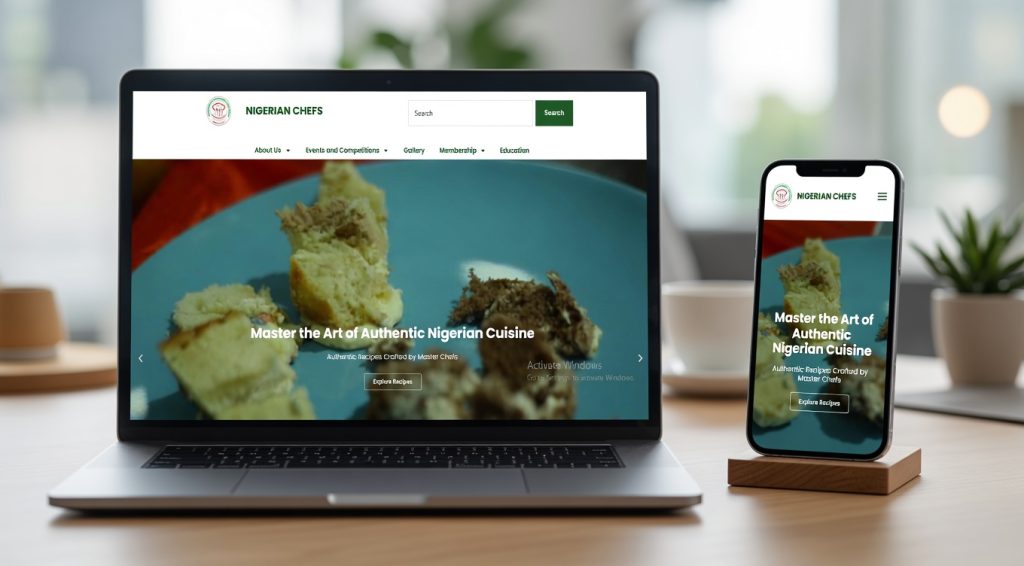
High-converting website homepage design displayed on laptop screen

What Makes a Website "High-Converting"?

Traffic without conversions is just noise. A truly high-converting website doesn’t just look good — it’s strategically designed to guide visitors toward taking action, whether that’s making a purchase, booking a call, or filling out a form.

Here’s what separates a high-converting website from an average one.

1. A Clear Value Proposition

Within seconds, visitors should understand exactly what you offer and why it matters to them. Vague, jargon-filled headlines confuse and lose potential customers instantly.

2. Fast Loading Speed

Every second of delay reduces conversions. A high-converting website loads in under 3 seconds, especially on mobile devices.

3. Strategic, Visible CTAs

Calls-to-action like “Get a Free Quote” or “Book a Consultation” should be prominent, repeated throughout the page, and use action-driven language.

4. Social Proof

Testimonials, reviews, case studies, and client logos build trust and reduce hesitation — especially for first-time visitors unfamiliar with your brand.

5. Mobile-First Design

With most traffic coming from mobile devices, a high-converting site must be fully optimized for smaller screens, with easy navigation and thumb-friendly buttons.

6. Simple, Intuitive Navigation

Confusing menus and cluttered layouts cause visitors to leave. The best websites make it effortless to find information and take the next step.

7. Trust Signals

SSL certificates, privacy policies, professional design, and clear contact information all reassure visitors that your business is legitimate and trustworthy.

8. Compelling, Benefit-Driven Copy

Instead of listing features, high-converting websites focus on benefits — how your product or service solves the customer’s specific problem.

9. Minimal Distractions

Every unnecessary element — pop-ups, excessive animations, cluttered layouts — pulls attention away from your primary conversion goal.

10. A/B Tested Design Decisions

The best-performing websites are never “finished” — they continuously test headlines, CTAs, and layouts to improve conversion rates over time.

Final Thoughts

A high-converting website blends design, psychology, and strategy. It’s not about looking impressive — it’s about making it easy and compelling for visitors to become customers.

Want a website designed to convert, not just impress? Request a free consultation today.
Leave a Reply

Your email address will not be published. Required fields are marked *

High-converting website homepage design displayed on laptop screen

What Makes a Website "High-Converting"?

Traffic without conversions is just noise. A truly high-converting website doesn’t just look good — it’s strategically designed to guide visitors toward taking action, whether that’s making a purchase, booking a call, or filling out a form.

Here’s what separates a high-converting website from an average one.

1. A Clear Value Proposition

Within seconds, visitors should understand exactly what you offer and why it matters to them. Vague, jargon-filled headlines confuse and lose potential customers instantly.

2. Fast Loading Speed

Every second of delay reduces conversions. A high-converting website loads in under 3 seconds, especially on mobile devices.

3. Strategic, Visible CTAs

Calls-to-action like “Get a Free Quote” or “Book a Consultation” should be prominent, repeated throughout the page, and use action-driven language.

4. Social Proof

Testimonials, reviews, case studies, and client logos build trust and reduce hesitation — especially for first-time visitors unfamiliar with your brand.

5. Mobile-First Design

With most traffic coming from mobile devices, a high-converting site must be fully optimized for smaller screens, with easy navigation and thumb-friendly buttons.

6. Simple, Intuitive Navigation

Confusing menus and cluttered layouts cause visitors to leave. The best websites make it effortless to find information and take the next step.

7. Trust Signals

SSL certificates, privacy policies, professional design, and clear contact information all reassure visitors that your business is legitimate and trustworthy.

8. Compelling, Benefit-Driven Copy

Instead of listing features, high-converting websites focus on benefits — how your product or service solves the customer’s specific problem.

9. Minimal Distractions

Every unnecessary element — pop-ups, excessive animations, cluttered layouts — pulls attention away from your primary conversion goal.

10. A/B Tested Design Decisions

The best-performing websites are never “finished” — they continuously test headlines, CTAs, and layouts to improve conversion rates over time.

Final Thoughts

A high-converting website blends design, psychology, and strategy. It’s not about looking impressive — it’s about making it easy and compelling for visitors to become customers.

Want a website designed to convert, not just impress? Request a free consultation today.

Leave a Reply

Your email address will not be published. Required fields are marked *

Leave a Reply

Your email address will not be published. Required fields are marked *